Home/Inspections
Septic Inspections When Buying or Selling in the Pine Belt
Buying near Hattiesburg? The septic system is one of the few parts of the house you cannot see on a walk-through.
A buyer's checklist
Is it septic?
Check with the seller and utility. Rural Forrest and Lamar county homes usually are.
What kind?
Conventional trenches, an elevated mound, or an advanced treatment unit with spray or drip discharge. Each needs different checks.
Is it approved?
Ask for MSDH records. For a new home, Mississippi links the water meter to MSDH approval, so a newer home should have a clear approval.
Has it been maintained?
Pumping receipts and treatment-unit service records.
How does it hold up when wet?
The Pine Belt's heavy rain makes this the key question.
What the inspector looks at
The tank is opened and ideally pumped, so the walls, baffles and outlet can be seen. The inspector checks levels and looks for signs of backflow from the field. For treatment units, they test the aerator, pumps, floats and alarm. Over the field or mound, they look for surfacing, seeps, sinking or damage, and whether anything has been built on top of it.
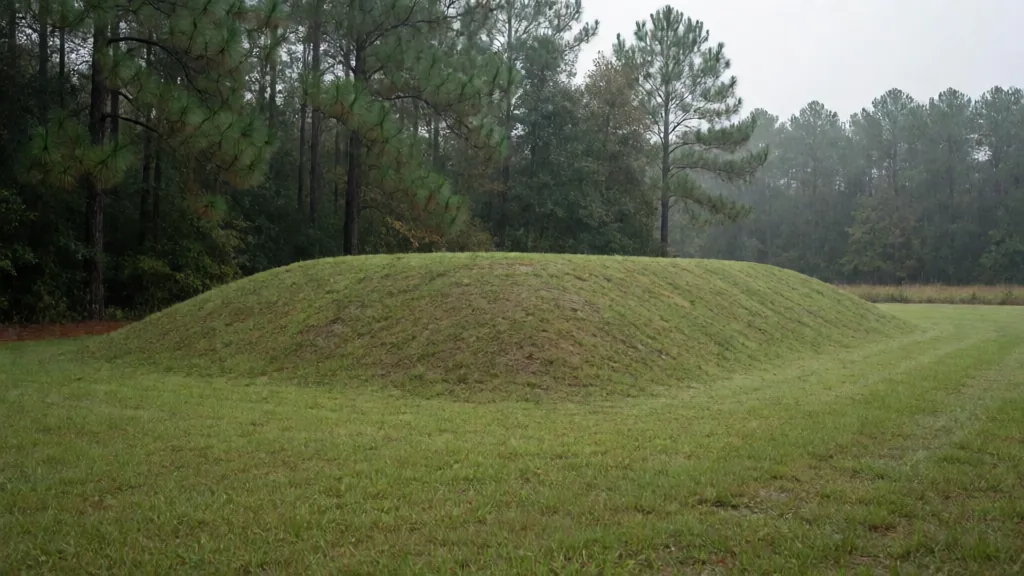
Season matters
Hattiesburg receives rain all year, with many wet weeks in winter and spring and summer thunderstorms. A system may look perfect after a dry spell. Ask the seller directly about backups during heavy rain, and look for staining or erosion that hints at past surfacing.
Cost
Typically a few hundred dollars, more for treatment units or with pumping included.
Pine Belt inspection questions
How do I find septic records for a home near Hattiesburg?
Ask the seller first, then contact the Mississippi State Department of Health, which approves on-site systems.
Is a septic inspection required to buy a house in Mississippi?
Not generally by state law for resale, though lenders or contracts may require one. It is strongly recommended.
What is the biggest septic risk in the Pine Belt?
Wet soils and heavy rain. A field that is borderline in dry weather can fail in wet seasons.
Should the tank be pumped during the inspection?
Yes, ideally. It lets the inspector see the tank's condition and how the field responds.
A licensed site evaluator has to answer that with a soil test; nobody can tell from a map. Send us your address and we will pass it to a licensed local professional where one is available. Request a quote →
Around the Pine Belt
- Brooklyn: Southern Forrest County near the national forest. Remote lots, long service runs.
- Richburg: Unincorporated Forrest County with a mix of older and recent systems.
- Rawls Springs: Northwest of the city, on acreage, effectively all private treatment.
Underneath most of it: silt, clay, and far too much rain. What that means for a system.